Mastering the Art of Cooking 1 Cup of Quinoa
Welcome to our culinary journey as we explore the art of cooking 1 cup of quinoa. Quinoa, pronounced “keen-wah,” is a versatile and nutrient-rich grain that has gained popularity in recent years. Whether you are a seasoned chef or a beginner in the kitchen, this guide will equip you with the knowledge and skills to cook the perfect quinoa, and create a delicious and healthful dish.
Why Quinoa?
Before exploring our delicious quinoa recipes, don’t forget the health benefits of quinoa, which have made it a favorite among nutrition-savvy cooks and food lovers alike:
- Rich in protein: Quinoa is one of the few plant-based protein sources that contains all nine essential amino acids.
- Gluten-free: It is a safe and nutritious option for those with gluten sensitivities or celiac disease.
- Absorbs flavors: Quinoa has a mild, nutty taste and readily takes on the flavors of the ingredients it is cooked with.
- Versatile: It can be used in salads, soups, stir-fries, and even as a substitute for rice or pasta.
- Quick and easy: Cooking quinoa is a breeze, and you can have a nutritious meal ready in under 20 minutes.
Cooking Instructions
Now, let’s get cooking! Follow these simple steps to cook 1 cup of quinoa to perfection:
- Start by rinsing the quinoa under cold water in a fine-mesh sieve. This helps remove any bitter-tasting saponins and impurities.
- In a medium-sized saucepan, add the rinsed quinoa and 2 cups of water or broth. For added flavor, consider using vegetable or chicken broth.
- Bring the mixture to a boil over medium-high heat. Once it starts boiling, reduce the heat to low and cover the saucepan with a lid.
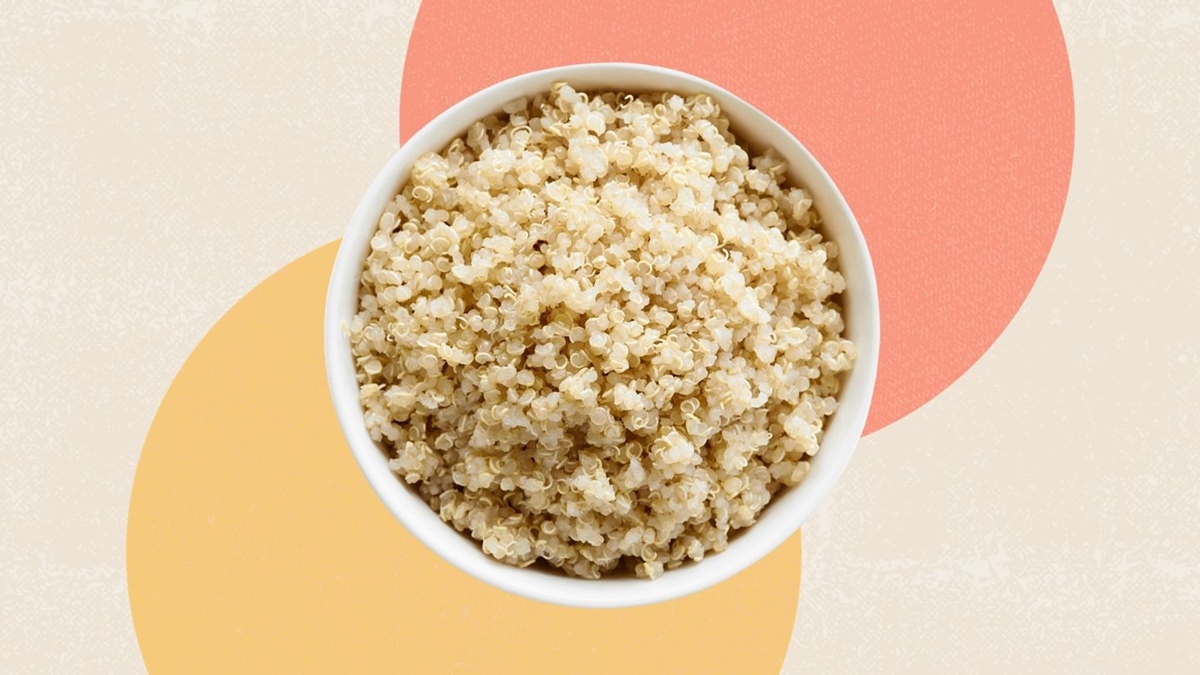
- Simmer the quinoa for about 15 minutes or until all the liquid is absorbed. You’ll know it’s cooked when the quinoa grains are tender and have a slight pop in the center.
- Remove the saucepan from the heat and let the quinoa rest, covered, for 5 minutes. This allows the quinoa to fluff up and absorb any remaining moisture.
- After the resting period, uncover the saucepan and fluff the quinoa with a fork to separate the grains.
- Voila! Your perfectly cooked quinoa is ready to be enjoyed in a variety of dishes.
Quinoa Serving Ideas
Now that you have a delicious batch of quinoa, it’s time to get creative with your culinary creations. Here are some serving ideas to inspire you:
- Create a refreshing quinoa salad by combining cooked quinoa with fresh vegetables, herbs, and a zesty dressing.
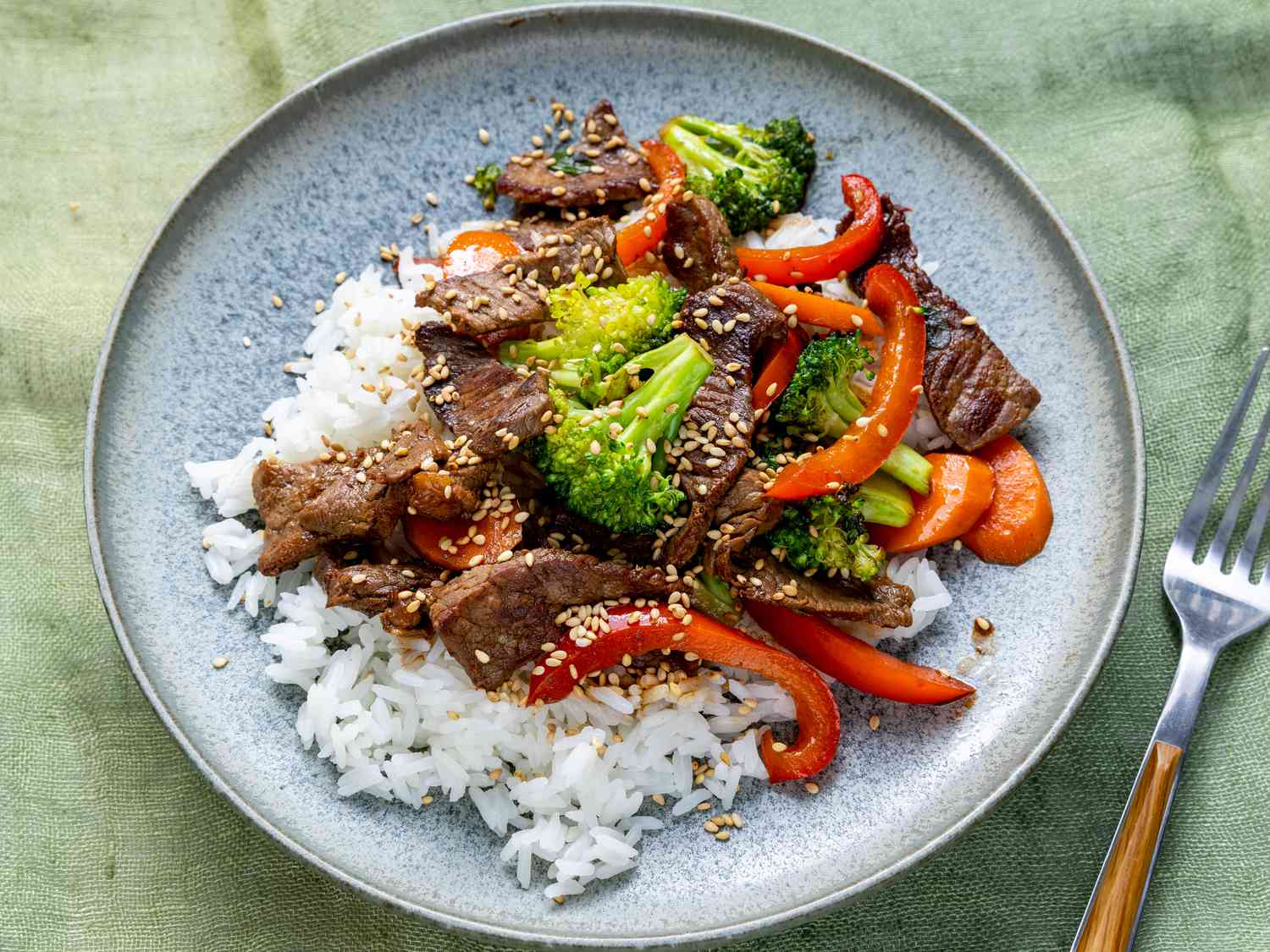
- Substitute quinoa for rice in your favorite stir-fry recipe for a nutritious twist on a classic dish.
- Add cooked quinoa to soups and stews for an extra dose of protein and fiber.
- Make a flavorful quinoa pilaf by sautéing onions, garlic, and your choice of vegetables before adding the cooked quinoa.
- Enhance your breakfast routine by adding quinoa to your morning oatmeal or creating a hearty quinoa porridge.
Recipes for Quinoa
Quinoa is a versatile and nutritious grain that’s easy to incorporate into your diet. The following recipes showcase quinoa’s adaptability, from hearty bowls packed with superfoods to savory dishes combined with vegetables and mushrooms, and even a healthier version of fried rice.
Easy Superfood Quinoa Bowl: Combine cooked quinoa with a variety of superfoods like avocado, spinach, and nuts. Dress with a lemon vinaigrette for a refreshing touch.
Quinoa with Veggies: Sauté your choice of colorful vegetables in olive oil, season, and mix with cooked quinoa for a nutritious side dish or meal.
Quinoa with Mushrooms: Cook quinoa and sauté mushrooms with garlic until golden. Mix them together and season with thyme for an earthy, rich flavor.
Quinoa Fried Rice: Substitute rice with quinoa, and stir-fry with eggs, peas, carrots, and soy sauce for a healthier twist on the classic fried rice.
Each recipe is designed to highlight quinoa’s delightful texture and nutty flavor, making it a perfect base for a variety of ingredients. Whether you’re looking for a simple side or a main dish, these quinoa recipes offer something for every palate.
Final Word
Now that you are equipped with the knowledge of cooking 1 cup of quinoa and creative serving ideas, it’s time to unleash your culinary talents. Experiment with different flavors, spices, and ingredients to create your own signature quinoa dishes. Remember, cooking is an art, and quinoa is your canvas!
Happy cooking!
Was this page helpful?
Read Next: How To Cook A Tender Pot Roast
Abby Marcelino
Abby is a writer, editor, and a fan of ASMR mukbang and cooking videos. Her family has been in the food industry for years and she has been working for their business as a part-time quality assurance officer and content creator. She is addicted to all things dairy and carbs, most especially cheese and bread.
Related Articles